Welcome to Vietnam! If you’re planning your first visit to Hanoi, the Ho Chi Minh Mausoleum should be at the top of your list. As someone who’s guided thousands of first-time visitors through this sacred experience, I’m here to walk you through everything you need to know for a meaningful and respectful visit.
Standing in the heart of Hanoi’s Ba Dinh Square, the Ho Chi Minh Mausoleum holds secrets that transform ordinary tourists into respectful cultural ambassadors. This sacred site isn’t just Hanoi’s most significant landmark—it’s a gateway to understanding Vietnam’s soul. For first-time visitors to the Ho Chi Minh Mausoleum, knowing these hidden protocols and cultural nuances can turn a simple tourist stop into an unforgettable spiritual journey.
Visit Ho chi Minh mausoleum – A memorial landmark of hanoi
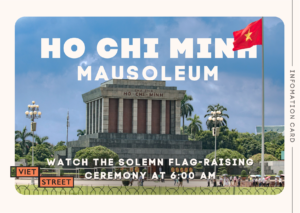
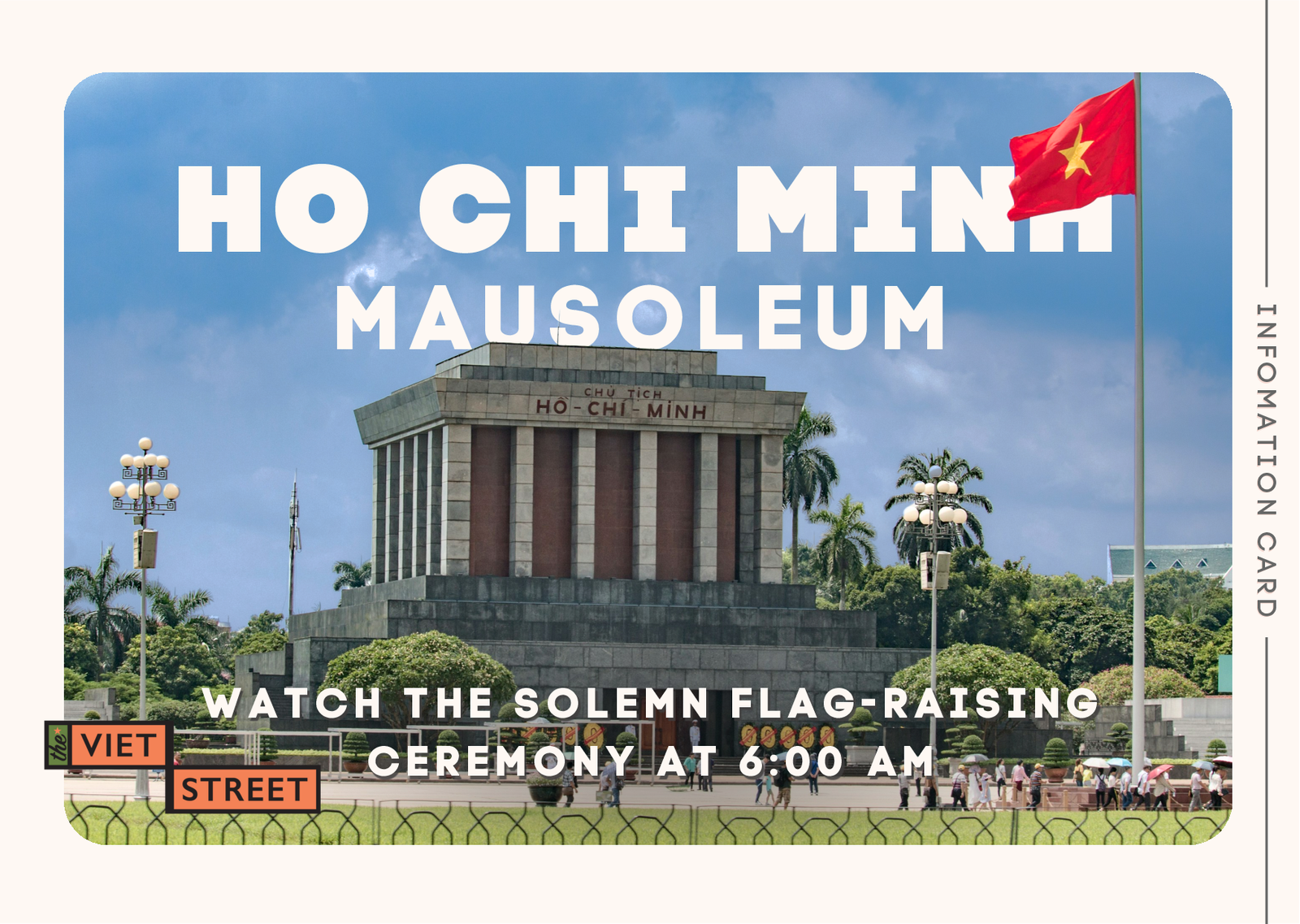
The Ho Chi Minh Mausoleum houses the preserved body of President Ho Chi Minh, affectionately known as “Uncle Ho” by the Vietnamese people. Built between 1973 and 1975, this granite and marble edifice was actually constructed against Ho Chi Minh’s own wishes—he had requested to be cremated. However, the Vietnamese government felt that such a beloved leader deserved a permanent resting place where future generations could honor his memory.
The structure stands 21.6 meters high and is built from materials sourced from various regions across Vietnam, symbolizing national unity. Understanding this background helps visitors appreciate why the site holds such deep meaning for Vietnamese people and remains one of the most important experiences in Hanoi. For deeper insights into the architectural symbolism, discover why the Ho Chi Minh Mausoleum is a must-visit landmark that transforms how travelers understand Vietnamese culture.
Essential Protocols: Guide to Respectful Visiting Ho Chi Minh Mausoleum for First-Time Visitors
Visiting the Ho Chi Minh Mausoleum requires careful preparation and respect for local customs. The mausoleum operates Tuesday through Thursday and weekends from 8:00 AM to 11:00 AM. These hours can change seasonally and during national holidays, so checking current schedules is crucial.
Dress code enforcement is taken seriously at this sacred site. Visitors must wear long pants or skirts, covered shoulders, and closed-toe shoes. Shorts, tank tops, sandals, and revealing clothing are strictly prohibited.
I’ll never forget watching a well-dressed businessman get turned away for wearing dress sandals in 35-degree heat. The guards don’t make exceptions—when in doubt, overdress for this sacred site. The atmosphere inside demands silence and respectful behavior—talking, photography, and mobile phone use are forbidden within the mausoleum itself.
Getting Around Hanoi: Transportation to the Mausoleum
The mausoleum’s central location makes it accessible by various methods, though the area around Ba Dinh Square has restricted vehicle access. For those staying in Hanoi’s Old Quarter, it’s approximately 2 kilometers away—a pleasant walk or short motorbike ride through tree-lined boulevards.
Experience the cultural significance with our expert Vespa tours in Hanoi that connect historical sites with living Vietnamese culture. For travelers wanting to document their journey, our Hanoi Photo Tour captures architectural beauty and cultural moments.